
Overview
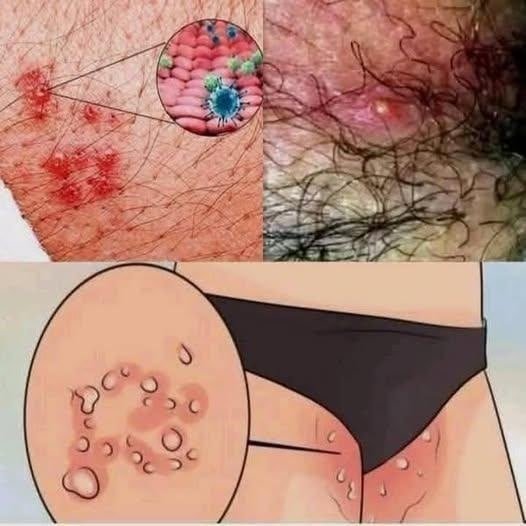
Pimples and boils can occur anywhere on the body, including the genital area. While they may cause discomfort or concern due to their sensitive location, most are not serious and can be treated at home. However, it’s important to understand the difference between a pimple and a boil, their possible causes, and when to seek medical help.
What Are Pimples?
Pimples are small, inflamed bumps caused by clogged hair follicles or pores. In the genital area, they may result from:
-
Sweat and friction (e.g., tight clothing or shaving)
-
Ingrown hairs
-
Poor hygiene
-
Hormonal changes
-
Folliculitis (inflammation of hair follicles)
They typically appear as small red or white bumps and may be tender but are usually not serious.
What Are Boils?
Boils (also called furuncles) are deeper skin infections caused by bacteria, usually Staphylococcus aureus. They often start as red, painful lumps and grow larger, forming pus inside. In the genital area, boils may develop due to:
-
Bacterial infection
-
Blocked sweat glands
-
Friction and sweating
-
Compromised immunity
-
Poor hygiene or skin injury
Boils are more painful and swollen than pimples, and may rupture and drain pus.
Key Differences Between Pimples and Boils
| Feature | Pimples | Boils |
|---|---|---|
| Size | Small | Larger, swollen |
| Pain | Mild | More painful |
| Pus | Sometimes | Usually filled with pus |
| Cause | Blocked pores or follicles | Bacterial infection |
| Duration | Few days to a week | May last longer if untreated |
Treatment Options
For Pimples:
-
Keep the area clean and dry.
-
Use warm compresses to reduce swelling.
-
Avoid squeezing or popping.
-
Wear loose, breathable underwear.
-
Over-the-counter creams (e.g., benzoyl peroxide, salicylic acid) may help.
For Boils:
-
Apply warm compresses 3–4 times daily to encourage drainage.
-
Keep the area clean and avoid irritation.
-
Do not squeeze or pop the boil.
-
If the boil becomes large, painful, or doesn’t heal, seek medical care. Antibiotics or incision and drainage may be necessary.
When to See a Doctor
Seek medical attention if:
-
The bump is very painful or growing rapidly.
-
There is fever or general illness.
-
You notice red streaks (possible spreading infection).
-
The bump lasts longer than 10 days.
-
There are recurrent boils.
-
You’re unsure whether it’s a pimple, boil, or sexually transmitted infection (STI).
Prevention Tips
-
Maintain good hygiene.
-
Avoid tight clothing that traps sweat.
-
Change underwear daily.
-
Shave with care or consider trimming instead.
-
Avoid sharing towels or razors.
-
Stay hydrated and eat a balanced diet to support skin health.
Other Conditions That May Look Similar
Some skin conditions and STIs can resemble pimples or boils in the genital area, such as:
-
Genital herpes (painful blisters)
-
Molluscum contagiosum (small, firm bumps)
-
Bartholin’s cysts (in women)
-
Hidradenitis suppurativa (chronic skin condition)
A healthcare provider can help with diagnosis and appropriate treatment.
Conclusion
Pimples and boils near the genital area are common and usually not serious. Good hygiene, avoiding irritation, and early treatment can help manage these skin issues effectively. However, if symptoms persist, worsen, or cause concern, don’t hesitate to consult a healthcare provider for proper diagnosis and care.